dayanagt.ux@gmail.com


Service Industry
Website & Brand Architecture
Building a Service-Based Brand’s First Digital Presence
Impact Goal
Establish a foundational website that clearly communicates TCNOLA’s services, builds credibility, and guides potential clients toward taking action, ultimately supporting lead generation and business growth.
Business Context
TCNOLA did not have a website prior to this project, meaning there was no central digital touchpoint for clients to learn about offerings or assess trustworthiness. This gap created friction in early decision-making and limited opportunities for client acquisition. The project focused on creating a cohesive information architecture and professional visual identity to establish discoverability, clarify services, and position the brand for long-term growth.
My Roles:
UX/UI Design
UX/UI Design
Content Strategy
Visual Design Direction
Researcher
Information Architecture
Copy Writer
Copy Editor
Case Study Sections:
Defining the Problem
Personas
The Design Process
Brand Architecture
Journey Map
Wireframes
Results
TCNOLA did not have a dedicated website to clearly communicate its services, credibility, or value proposition. As a result, potential clients had no centralized digital touchpoint to understand offerings, evaluate trustworthiness, or take next steps—creating friction in the early decision-making process and limiting opportunities for lead generation.
For a service-based business where trust and clarity are critical, the absence of a digital presence posed a risk to growth, discoverability, and client acquisition—particularly for users searching on mobile or comparing multiple providers.
Constraints & Considerations
No existing information architecture or content system to build from
Need to establish credibility and professionalism from first interaction
Diverse user intent (urgent service needs vs. exploratory research)
Mobile-first usage patterns and time-sensitive decision-making
This created an opportunity to design a foundational digital experience that not only introduced the brand, but also strategically guided users toward action while supporting long-term scalability.
Defining the Problem
Discovery & Understanding
Goal
Identify client needs, business objectives, and brand perception.
Actions
Conducted stakeholder interviews to clarify service priorities, reviewed competitors and industry best practices, and mapped potential user journeys.
Outcome
Defined target personas and primary tasks, highlighting areas where clarity and trust signals would be most critical.
Personas

Homeowner
Name: Michael R.
Age: 34–55
Occupation: Working professional / parent
Context: Residential homeowner
Goals
Quickly find a trustworthy contractor to solve an immediate problem
Understand services, pricing range, and timelines without making phone calls
Feel confident the company is licensed, experienced, and reliable
Behaviors
Searches on mobile during moments of urgency (storms, leaks, visible damage)
Skims content quickly and relies on visual cues, reviews, and credibility markers
Prefers clear CTAs like “Request a Quote” or “Schedule an Inspection”
Pain Points
Overwhelmed by unclear service descriptions and outdated websites
Distrusts companies with poor branding or no online presence
Limited time and patience for friction in the contact process

Commercial
Client
Name: Sarah M.
Age: 40–60
Occupation: Property Manager / Small Business Owner
Context: Commercial or multi-property client
Goals
Evaluate whether the company can handle larger or recurring projects
Quickly assess experience, scope of services, and professionalism
Initiate contact for estimates, bids, or long-term partnerships
Behaviors
Researches on desktop during work hours
Reads more deeply into service pages and past project examples
Compares multiple vendors before reaching out
Pain Points
Difficulty finding clear information about commercial capabilities
Frustration with vague offerings or lack of proof of experience
Inefficient or unclear contact workflows
The Design Process


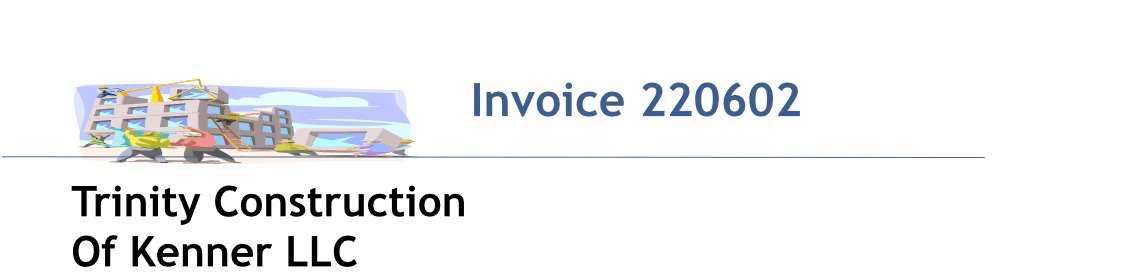

Previous State
Audit & Discovery: Evaluated the existing brand architecture, competitive landscape, and customer touchpoints to identify gaps in trust, clarity, and conversion.
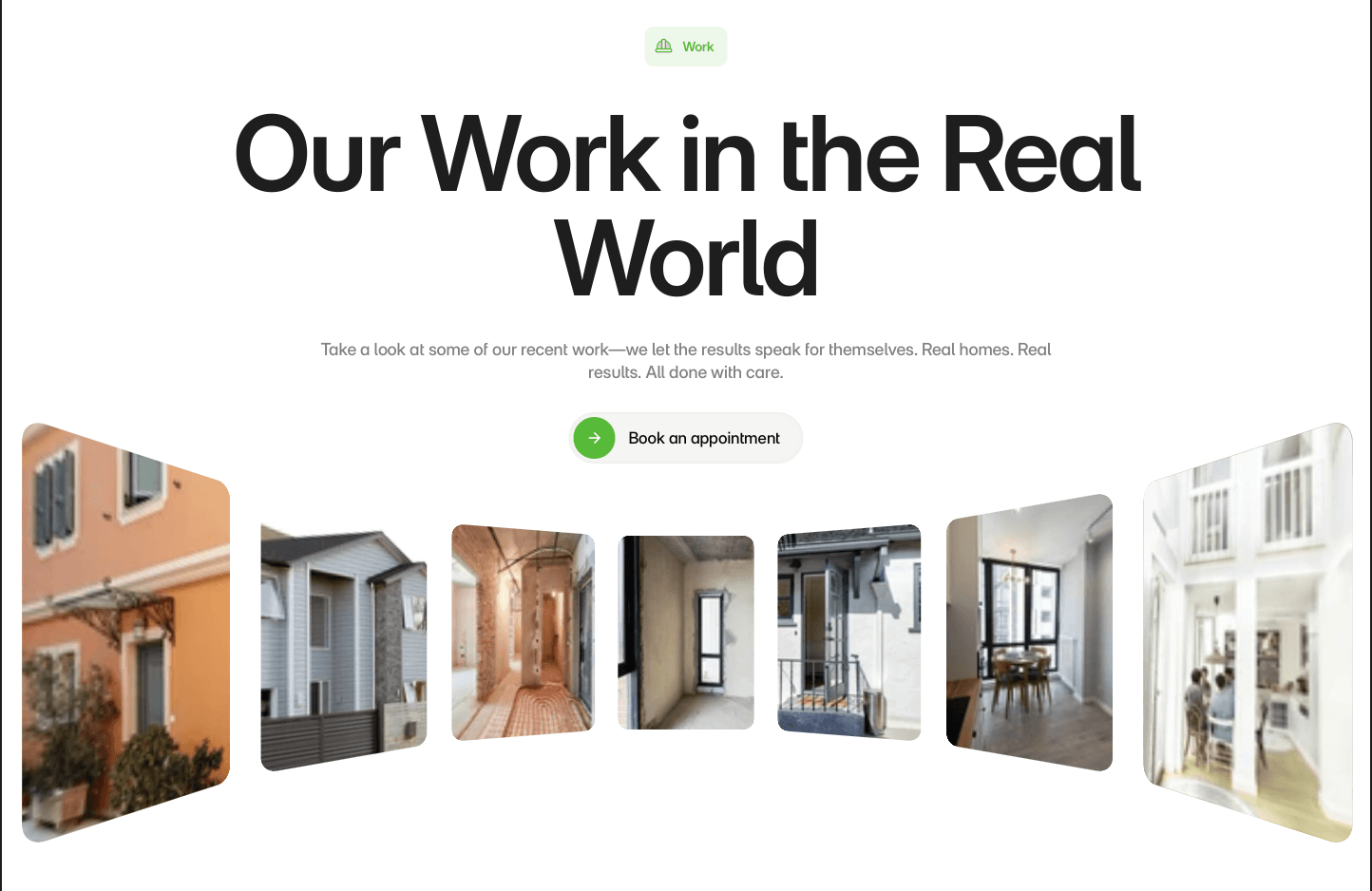
Brand System Redesign: Collaborated with a branding designer to develop a modern logo and cohesive visual identity that reinforced credibility and consistency across touchpoints.
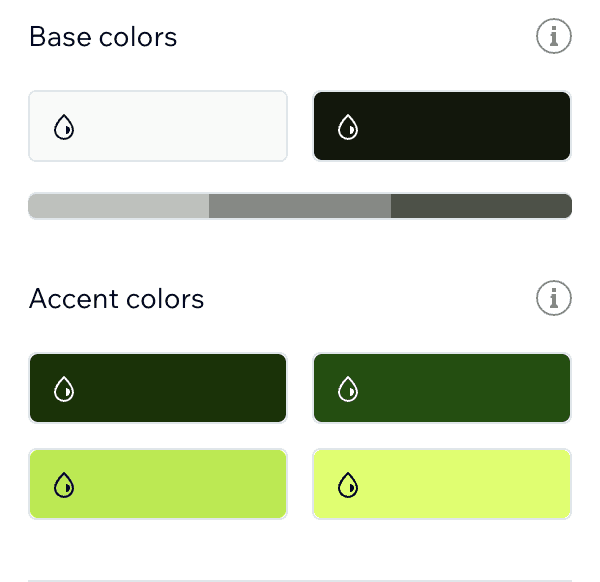
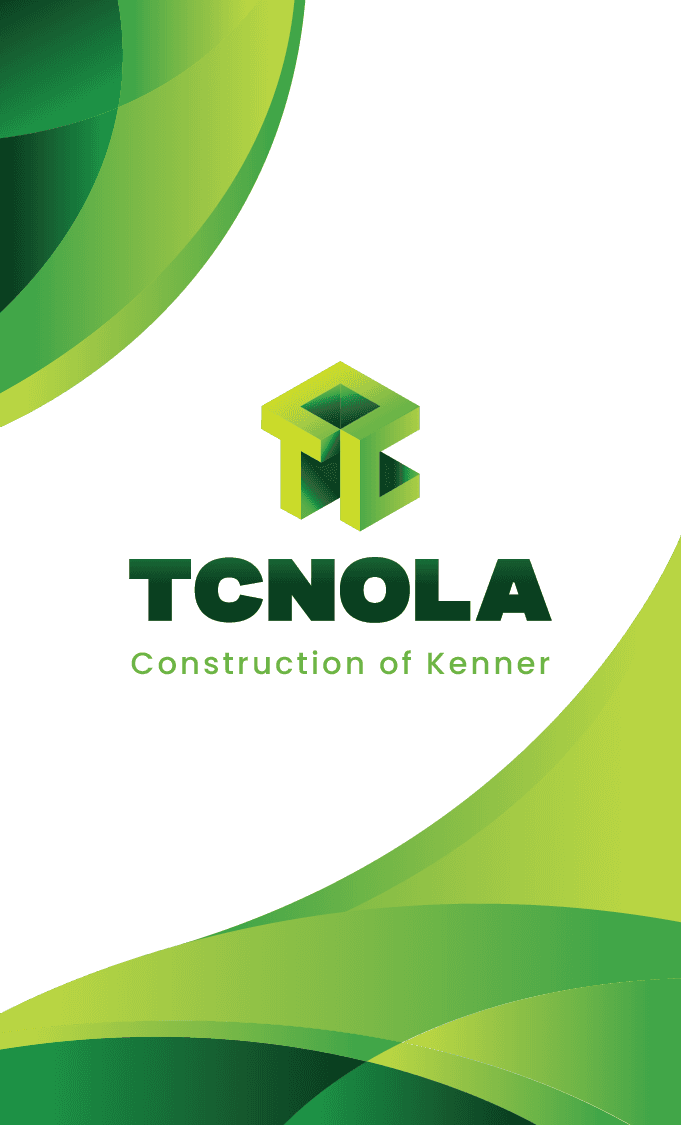


New Brand Architecture
Goal: Position TCNOLA as professional, credible, and approachable.
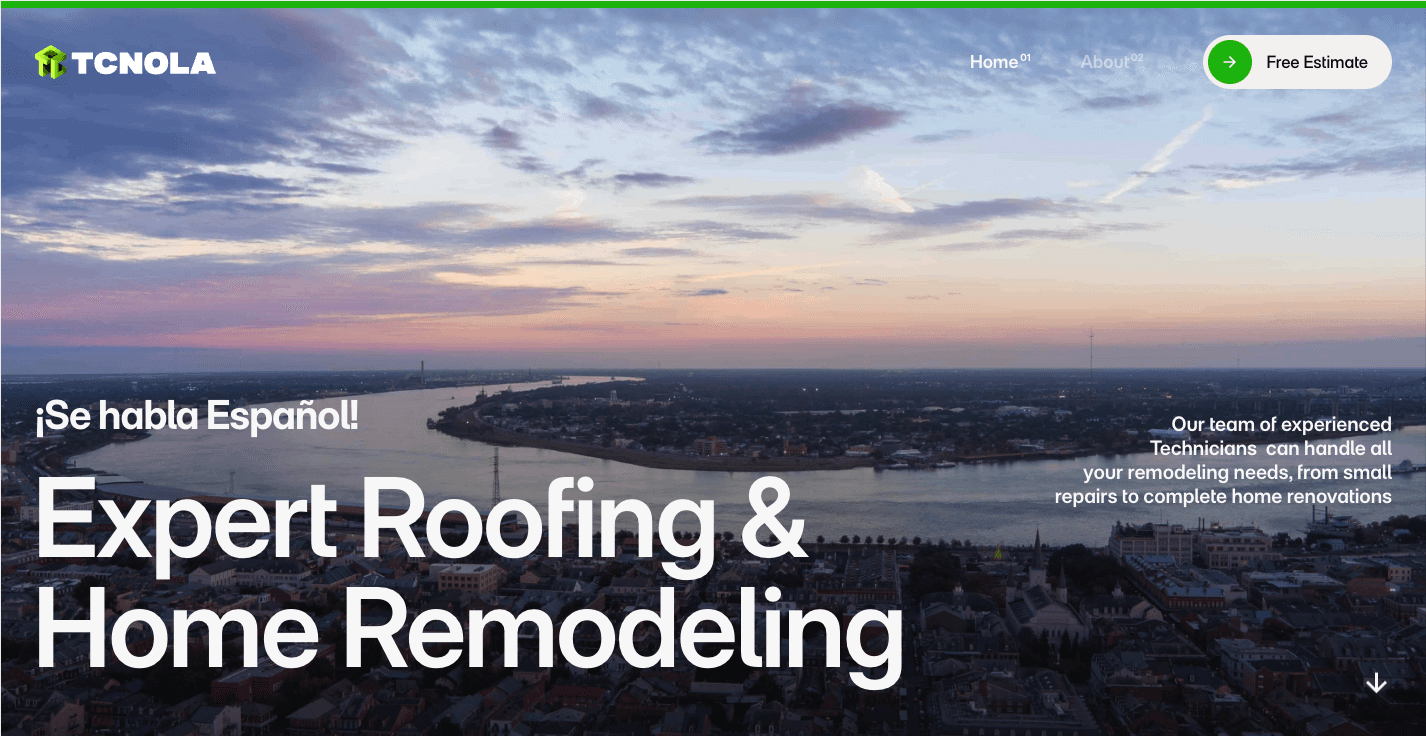
Action: Designed a cohesive color palette, typography, and imagery consistent with industry expectations while reinforcing the brand’s personality.
Tradeoff: Previous brand graphics were simplified to maintain clarity and reduce cognitive load.
Outcome: A unified visual system that elevates trust and encourages user engagement.
Strategic Outcomes
The redesigned TCNOLA digital presence was crafted to improve user trust, clarity of services, and lead generation effectiveness by removing ambiguity and aligning the brand presentation with business goals.
Key projected impacts from design decisions include:
Increased service comprehension on first visit
By reorganizing the site structure and clarifying the value proposition, the redesign is intended to increase the proportion of visitors who quickly understand TCNOLA’s offerings without needing to contact support or navigate away.Higher inquiry conversion rate
Prioritizing clear calls-to-action (e.g., “Request a Quote,” “Schedule an Inspection”) and structuring core service pathways was designed to help more users progress from browsing to taking action, supporting lead generation.Improved perception of credibility and professionalism
Refining visual identity elements (color, typography, imagery) and consistent brand architecture aimed to elevate trust signals, particularly important in the service/construction sector where credibility directly influences decision-making.
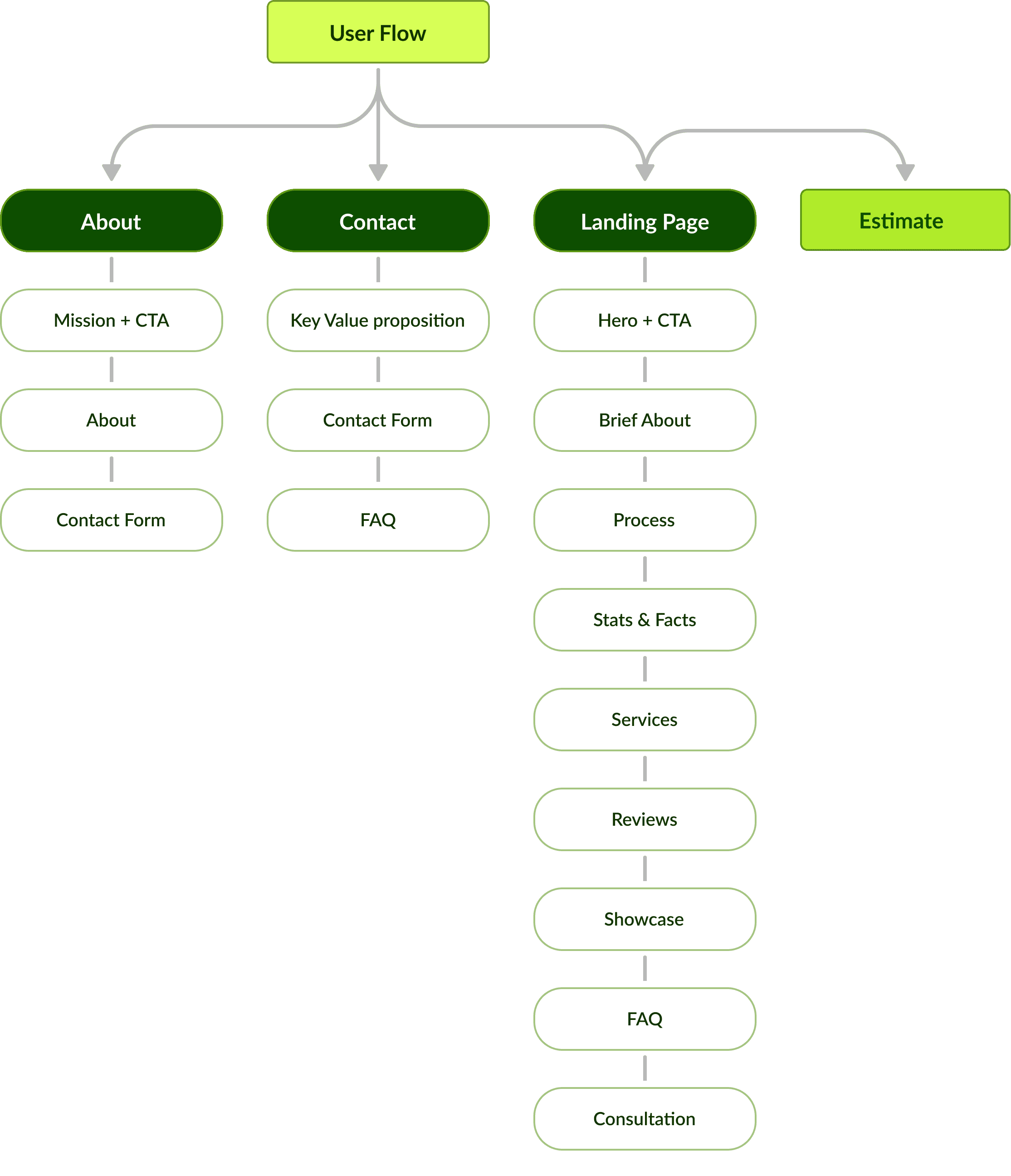
Journey Map
Maintaining alignment between business goals and user needs at key decision moments.
Defined primary user paths from first visit to contact submission.
Information Architecture & Content Strategy
Goal
Create a clear structure that makes services easily discoverable.
The site structure was designed to quickly answer three core user questions:
What services does TCNOLA offer?
Why should I trust this business?
How do I get in touch?
Decision
Prioritized top services on the homepage with clear pathways to detailed information.
Tradeoff
Some secondary content was deferred to a future section to keep first-time visitors focused on immediate action.
Outcome
Established a scalable site hierarchy that balances simplicity for new users with depth for repeat or research-focused visitors.
CTA & Conversion Path Design
Goal
Guide users toward inquiry and service engagement.
Decision
Strategically placed clear CTAs at key decision points and mapped user flows for different intent types (residential vs. commercial clients).
Tradeoff
Balanced prominence of CTAs with uncluttered design to avoid overwhelming first-time visitors.
Outcome
Streamlined pathways from awareness to action, laying the foundation for measurable lead generation.
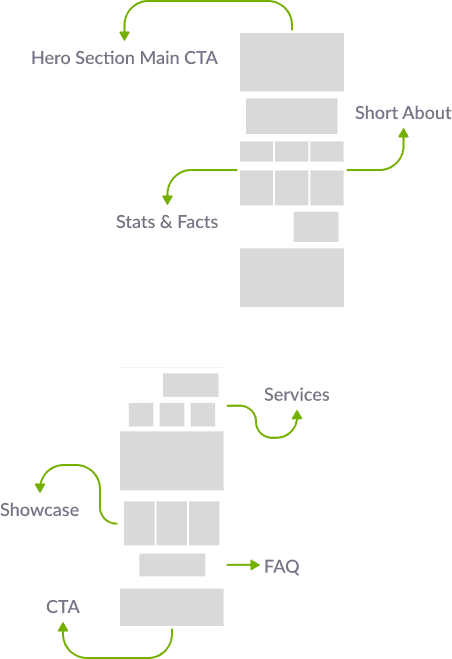
Wireframes
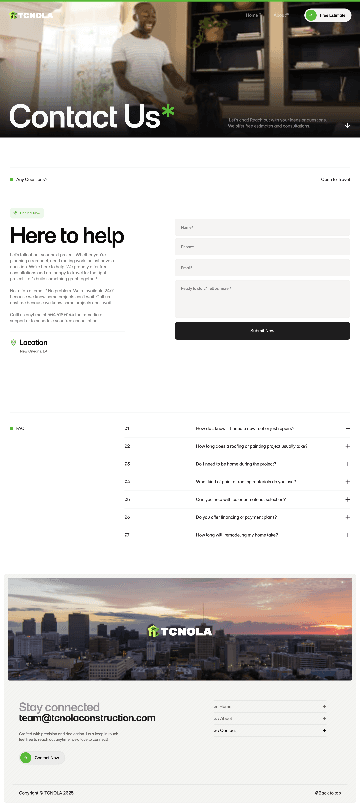
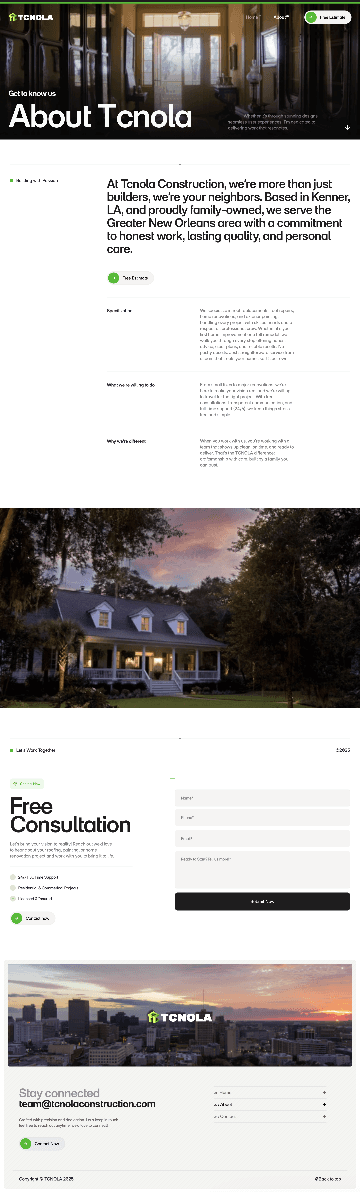
Low- to mid-fidelity wireframes established the site’s structure and user flows, allowing early validation of content hierarchy, navigation, and conversion paths prior to visual execution.
Results
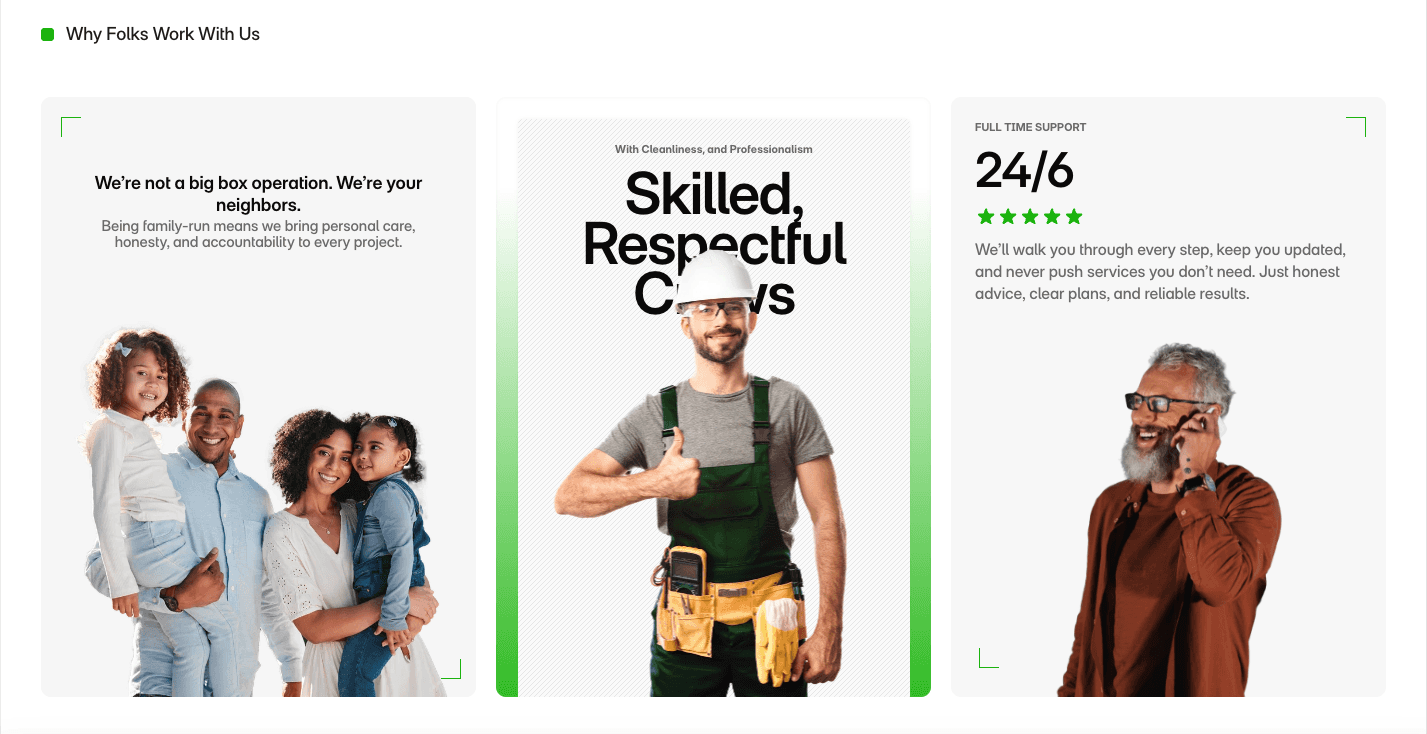
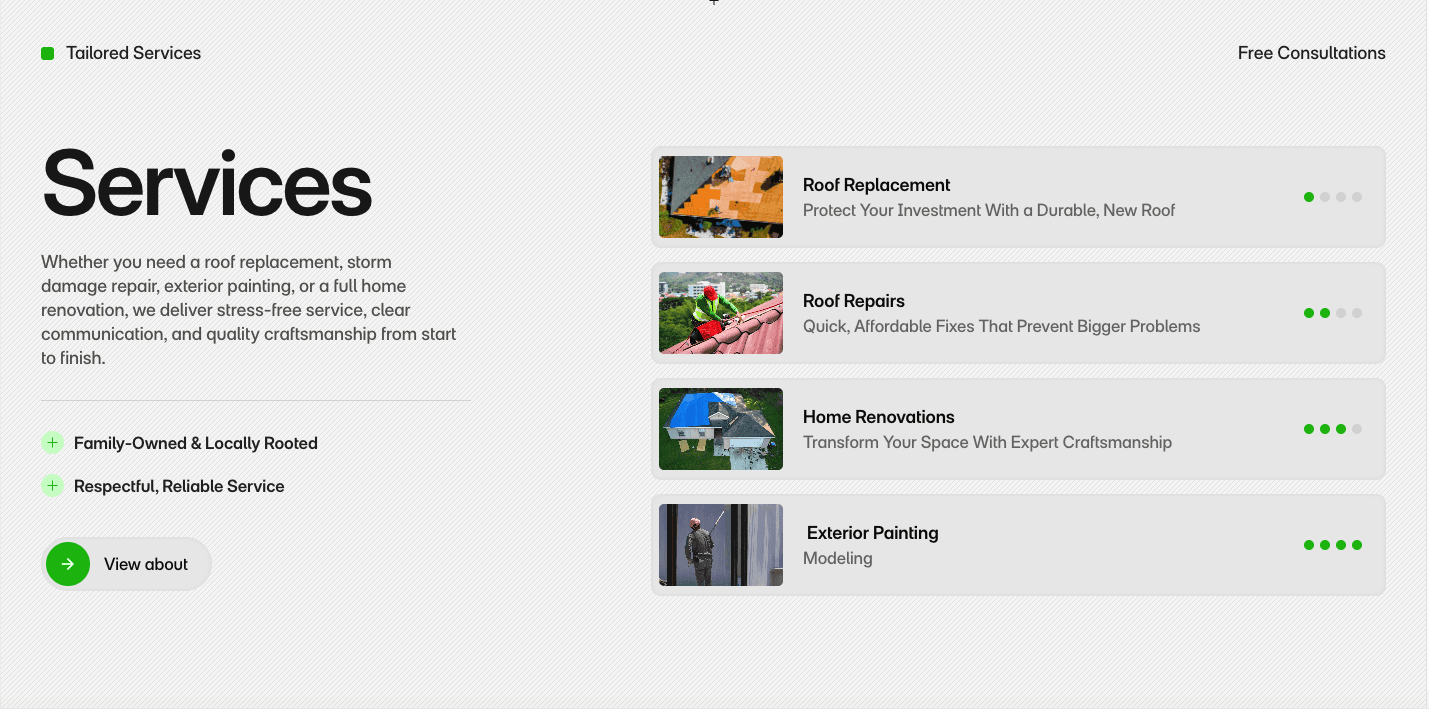
The TCNOLA website was designed to provide a clear, credible, and actionable digital touchpoint for potential clients, supporting discovery, trust, and lead generation. Key intended outcomes included:
Improving clarity of service offerings for first-time visitors
Strengthening perceived credibility and professionalism
Guiding users toward inquiry or service engagement

Design Decisions KPIs
Design Decision
Clear information hierarchy & service pathways
Cohesive visual identity & trust cues
Strategically placed CTAs
Mobile-first responsive design
Streamlined content & simplified navigation
Intended Outcome
Reduce friction in understanding offerings
Build credibility & professionalism
Guide users toward action
Support users on-the-go
Reduce cognitive load
Project KPI
Higher percentage of visitors reaching service pages
Longer average session duration, lower bounce rate
Increased lead form submissions / service inquiries
Lower bounce rate, higher engagement on key pages
Shorter time to first meaningful interaction
Hypotheses Tested
Users with clearer service pathways will reach contact CTAs faster.
Professionally unified brand signals will increase trust and reduce bounce.
Simplified mobile navigation will improve engagement for on-the-go searches.
Iteration & Validation Planning
Success would be measured post-launch through analytics and user feedback. Key metrics include time to first service page, bounce rate on core pages, session duration, and lead form submissions. Usability testing with target personas would validate clarity, navigation, and perceived credibility, allowing iterative improvements.
All rights reserved by Dayana Gonzalez Theresine